
Skin Care Ingredients Explained
Discover the science behind essential ingredients that transform your skin care routine
Browse by Category
Featured Ingredients & Ingredients
Retinol for Face
A vitamin A derivative that promotes cell turnover and supports skin elasticity. Retinol is one of the most researched ingredients in skin care, known for helping reduce the appearance of fine lines and enhancing overall skin texture through regular application.
Learn moreHyaluronic Acid Benefits
A powerful humectant capable of holding up to 1000 times its weight in water. This ingredient is essential for skin hydration, helping to plump the skin and maintain moisture balance. Hyaluronic acid works synergistically with other ingredients to enhance overall skin appearance and comfort.
Learn moreVitamin C for Skin
A potent antioxidant that brightens skin and supports collagen synthesis. Vitamin C protects against environmental stressors and helps even out skin tone. This ingredient is particularly valued for its ability to provide protection against photoaging and enhance skin radiance naturally.
Learn morePeptides in Skincare
Amino acid chains that signal the skin to produce more collagen and elastin. Peptides help support skin elasticity and firmness, contributing to a more youthful appearance. These ingredients are particularly effective when combined with hydrating and antioxidant components.
Learn moreAntioxidants in Cosmetics
Include green tea extract, vitamin E, and resveratrol—compounds that neutralize free radicals and support skin health. Antioxidants work to provide protection against environmental damage and help maintain the skin's natural defense mechanisms throughout the day.
Learn moreVitamins for Skin
Essential micronutrients including vitamins A, B, C, D, and E that support various skin functions. Each vitamin plays a unique role—from supporting barrier function to promoting healing and maintaining skin elasticity, they work together for comprehensive skin care benefits.
Learn moreUnderstanding Cosmetic Ingredients
The foundation of effective skin care lies in understanding how different cosmetic ingredients work. Each component brings specific benefits to your routine, whether it's enhancing hydration, providing antioxidant protection, or supporting skin elasticity.
Modern skin care science has identified key ingredients that address multiple concerns simultaneously. By learning about ingredient concentrations, compatibility, and application methods, you can make informed decisions about which products align with your skin's unique needs.
Key Benefits of Ingredient Education
- Skin Hydration: Learn which ingredients lock in moisture and maintain the skin barrier's health.
- Skin Elasticity: Discover how peptides, retinol, and vitamin C work to support firmness and bounce.
- Protection Against Photoaging: Understand antioxidant defense and UV-related skin damage prevention.
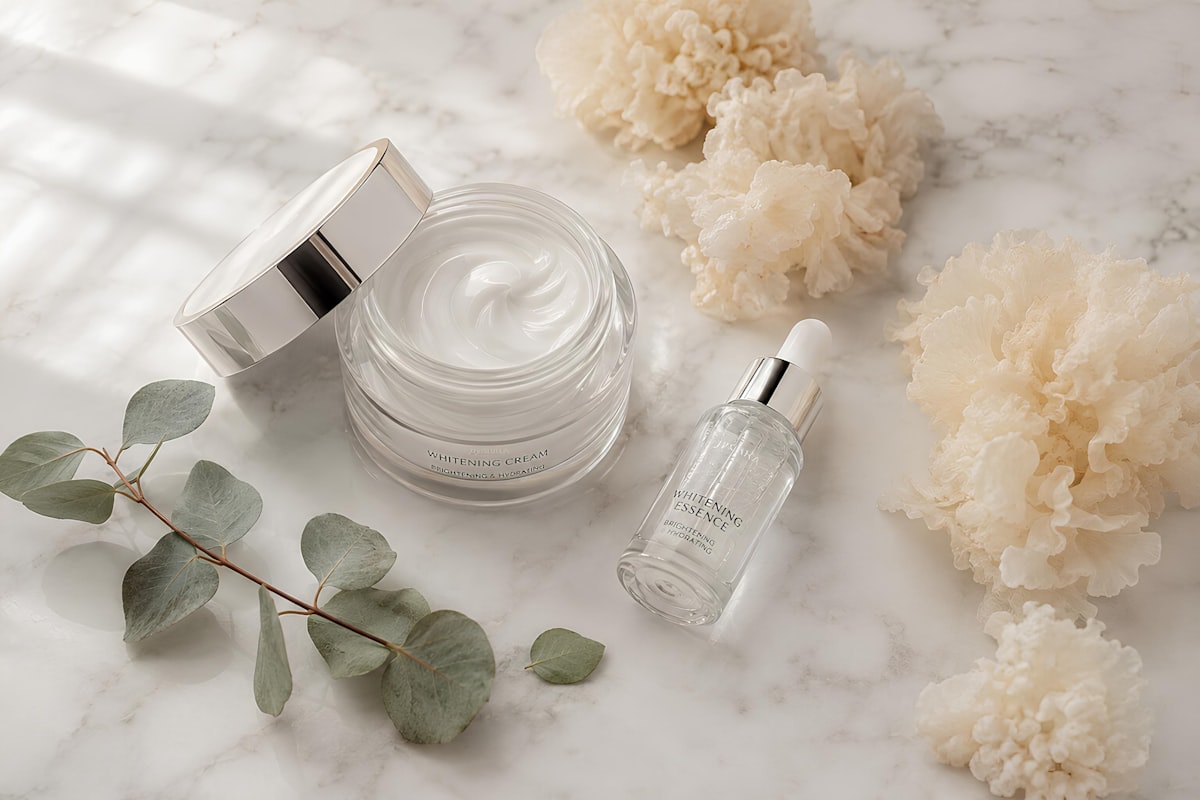
How to Choose Skin-Beneficial Ingredients
Identify Your Concerns
Determine whether your primary needs are hydration, elasticity support, antioxidant protection, or texture improvement. Understanding your skin's specific challenges helps narrow down which ingredient categories matter most.
Research Key Components
Learn about ingredients like hyaluronic acid for hydration, retinol for texture, vitamin C for brightness, and peptides for elasticity. Understanding concentration levels and bioavailability helps you evaluate product effectiveness.
Consider Compatibility
Some ingredients work synergistically while others require staggered application. Learning about ingredient interactions ensures you maximize benefits and minimize potential irritation from incompatible combinations.
Build Your Routine
Create a personalized regimen that layers complementary ingredients appropriately. A thoughtful routine that respects application order and ingredient science yields better results than random product combinations.
Foods Good for Skin
While topical skincare ingredients are important, internal nutrition also plays a vital role. Foods rich in antioxidants, omega-3 fatty acids, and vitamins support your skin from within, complementing your external skincare routine.
Nutrient-Dense Foods for Skin Health
- Fatty Fish: Rich in omega-3s that support skin barrier function and reduce inflammation.
- Berries: Packed with antioxidants that protect against free radical damage and support skin elasticity.
- Leafy Greens: Contain vitamins A, C, and K that support skin health and hydration.
- Nuts and Seeds: Provide vitamin E and selenium for antioxidant protection.
A comprehensive approach to skin care combines scientifically-formulated topical products with a nutrition-conscious diet. This holistic strategy supports skin health on multiple levels, from cellular hydration to antioxidant defense.
Common Questions About Skin Care Ingredients
Retinol is a vitamin A derivative that works by promoting cell turnover and stimulating collagen production. Unlike some other ingredients, retinol requires consistent application over weeks to show results and can initially cause sensitivity. Peptides work differently—they signal the skin to produce more collagen—while vitamin C acts primarily as an antioxidant and brightener. Each ingredient has a distinct mechanism, making them valuable for different skin concerns and types.
Stay Informed About Skincare Science
Subscribe to receive the latest articles and ingredient guides delivered to your inbox
We respect your privacy. Unsubscribe anytime.
Explore Our Full Ingredient Database
Access comprehensive guides on cosmetic ingredients, their benefits, concentrations, and how to use them effectively in your skincare routine